
Members only

It's unlikely that when most people think of "happiness," they think about their job, but research suggests that finding happiness in the workplace is more important than previously thought. That's because happiness is associated with many of the qualities that embody your best workers. Think about it. How would you describe your ideal worker? Passionate, dedicated, able to work well with teams—these qualities are all indicative of a happy employee.
So, what can you do to make your workers happy?
1. Offer a Comprehensive Onboarding Process
There's no better time to set your workforce up for happiness than during the onboarding phase. This is when it's imperative to make sure new employees have everything they need to acclimate to your organisation. The goal of the onboarding process is to reduce the time it takes for new employees to be proficient at their jobs. This might require an overhaul of your existing procedures. To see what needs to be done specifically, try to get regular feedback from new and veteran employees. The more comprehensive an employee's understanding of their job, the more likely they are to deliver upon what's expected of them and feel fulfilled as a result.
2. Promote Internally
When an employee consistently delivers upon your expectations, it's important to recognise them for their achievements. Not only will this show them that their efforts will be rewarded, but it will inspire those around them to follow in their path. The same logic can be applied to recruiting efforts. Recruiters are often quick to look externally for skills that align with job openings. What they sometimes fail to see is that many individuals within their organisation may already possess these skills and are looking to take the next step in their career. By promoting employees within your organisation, you allow your employees to feel safer and more sure about their future with you.
3. Pay Competitively
Pay isn't everything at a company, but it still matters. According to a survey conducted by Investors in People (IIP), more than half (51 percent) of UK respondents said that the reason they decided to switch jobs was due to poor compensation. Furthermore, 47 percent stated that even a slight pay raise would increase their level of happiness at work—potentially being a reason they'd stay with the company. To make sure your workers are happy where they are, try to pay them a competitive salary. Any employee lost is one a competitor potentially gains!
4. Make Good Use of Their Time
Workers are usually their happiest when they're doing what they're best at. For most, that would not include countless hours filling out minute details in spreadsheets. Yet, research finds that this and other repetitive processes are what workers spend much of their time doing. According to a study done by RPA software provider, Automation Anywhere, workers waste more than 40 percent of their day performing manual administrative tasks. What's more, over 75 percent of workers surveyed said that they shouldn't spend time on tasks that can be automated. This isn't to say that automation is a one-size-fits-all approach to solving how enjoyable your workers find their jobs. However, reducing the amount of time your employees spend on monotonous tasks allows them to reprioritise their brain power on matters that require more mental stimulation, increasing the likelihood that your workers find their jobs to be more engaging.
5. Be Flexible
While maintaining basic office etiquette is a good way to reinforce desirable behaviour at your company, it's important to exercise an element of flexibility as well. As nice as it would be to have all of your employees in the office, it's not always practical, particularly when travel is needed to meet with clients in-person or if you'd like to extend your access to talent pools that are outside of your local area. However, despite remote work becoming a more common phenomenon in the business world, 57 percent of companies still don't have policies that allow for this. Therefore, in order to make sure your company's policies are suitable for the ever-changing workforce, you'll want to be adaptable to them, and give your workers the flexibility they need to be happy.
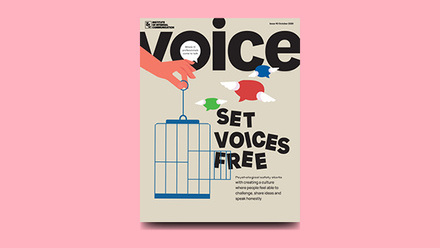


This survey, run by IOIC in partnership with Ipsos Karian and Box, is the most detailed study yet of capability, confidence and development need across the profession. It explores ten roles internal communicators play, developed specifically for this research and connected to the IOIC future of internal communication whitepaper.
Your answers will directly shape how the profession invests in its own development.