Where organisations invest in internal communication, the length and breadth of its scope vary. In part, this is due to the rapid evolution of internal communication as a strategic discipline. Another factor, however, is the reality that the scope of internal communication is often broad reaching. As such, it often lacks succinct definition.
Since 2020, successive disruptors have changed the business landscape. COVID, war, supply-chain shortages, inflationary pressures, AI, the burgeoning climate crisis and environmental degradation are just some of the issues impacting organisational performance. And yet organisations must innovate and evolve to remain relevant. The psychological toll of polycrisis is both immense and under-recognised.
Rising numbers of people over the age of 45 are struggling to find work. Ageism, under-investment in recruitment and over-reliance on biased selection algorithms are creating a labour-market crisis. This has huge implications for organisations that urgently need human wisdom and experience to deliver much-needed oversight for sensible and ethical AI adoption.
Persistent geopolitical and economic instability and the burgeoning climate crisis mean maintaining organisational alignment, cohesion and commitment to key objectives is harder than ever. It’s hard to craft hopeful narratives when the world seems so imperilled. Yet belief in a hopeful future is a primary requirement for humans to perform well at work.
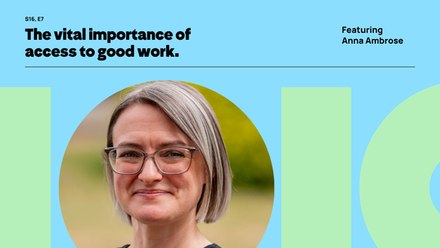
Since the 2008 financial crisis, access to stable, secure work has become increasingly rare. Young people in particular struggle to find quality, full-time permanent work. But what defines good work and what role does internal communication play in creating workplaces that build careers?
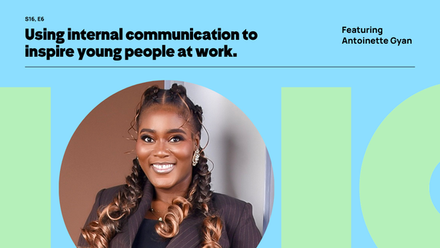
Ongoing market uncertainty means many organisations are struggling to keep people aligned, focused and motivated. Global engagement is falling. Young people especially struggle to find purpose at work. What role does communication play in shaping culture and developing future leaders?
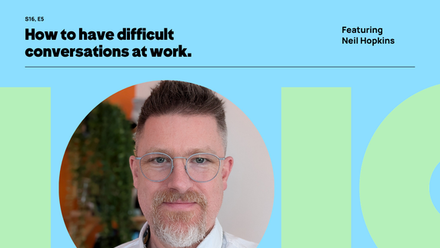
While the Internet hugely improves modern life, it also fuels misunderstanding, misinformation, comparison culture, disunity and ill-feeling. When human connection at work is vital for sustained performance, how do we foster inclusive debate and have difficult conversations about complex issues?
What if doing less was the answer? In a new episode of the Future of Internal Communication podcast, Dom, Jen and Cat are joined by author and TEDx speaker Chris Lovett to explore workplace minimalism and why simplifying work protects people and performance.
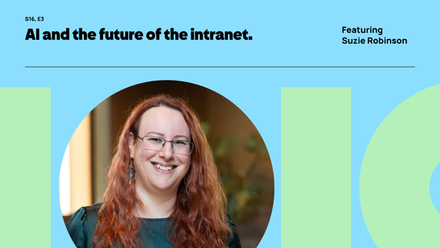
Since the arrival of the Internet in the 1990s, organisational intranets have become a staple – helping colleagues access vital knowledge and information and connect and collaborate with one another to achieve shared goals. Their impact on organisational productivity has been profound. As knowledge work becomes ever more digital, in this episode Cat explores the future of the intranet with Suzie Robinson, intranet and digital employee experience consultant at Clearbox Consulting.
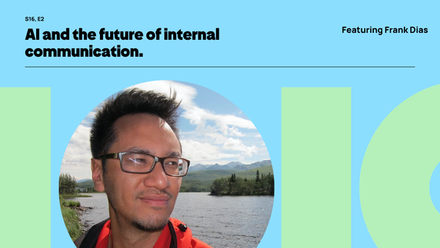
As AI promises productivity transformation, many fear technology-driven job losses. For internal communicators, the challenge is twofold: navigating the threat AI poses to conventional IC practice while helping organisations adopt it responsibly. In this episode, Dom and Cat are joined by Frank Dias to explore how AI can transform IC workflows and deliver greater strategic value.
In this first episode of series 16, Jen, Dom and Cat chat with Mercy Abel, founder of It Is Who You Know, to uncover the value of mentoring to bridge intergenerational divides and superpower early years careers.
Despite the US withdrawal from the Paris Climate Agreement in January 2025 and the perceived downgrading of decarbonisation as a boardroom priority, sustainability progress continues to be made.