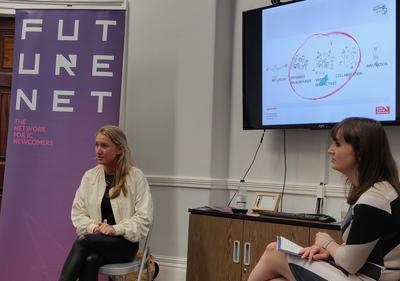
Charlotte Butler, managing director of Altogether Different, joined FutureNet for an evening of discussion around how we can embed diversity and inclusion in our communications and company cultures.
Charlotte works with organisations who are looking to become more diverse and inclusive – whether in terms of gender, sexual orientation, age, caring responsibilities or under-represented racial groups and physical ability. Her aim is to make workplaces more reflective of the world we live in today and our FutureNet network have the opportunity to be a driving force in this change.
Kicking off the evening Charlotte spoke about the business case for diversity and inclusion and shared her thoughts about intersectionality. Many organisations are doing great work these days as the need and expectation for diverse workforces is greater than ever before. But much of the work is focused on various work-streams – bucketing people according to what makes them diverse. Charlotte is a firm believer that it's not about creating and celebrating these groups; it's about inter-sectionality – focusing on bringing all of these groups together to create a truly diverse and inclusive environment and moving workplace diversity from '2D' to '3D'.
Moving into the role that Internal Communicators can play, Charlotte spoke about unconscious bias. She advised "As humans, we all have this and we need to be open about it." Being aware of our biases is so important, especially in business settings such as interviews where it is so very prevalent. As Internal Communicators and future leaders, our FutureNet network can play a huge part in fostering diverse and inclusive cultures – from how we recruit the right mix of people and maximise the level of social perspectives in our teams to avoiding the use of 'gender-ised' words in our copy and supporting leaders to be aware of their messaging and unconscious bias.
Workplace environments and work is changing. With remote workers, relationships are very fragmented and it's critical that we can build empathy with people who are not in the same room as us to ensure we have inclusive teams where people feel they belong. Building empathy with employees around diversity and inclusion is crucial to meaningful inclusive change.
Diversity and Inclusion has a tendency to be a sensitive topic and people can fear saying the wrong thing, But how can we encourage people to get it wrong? It's ok. As Internal Communicators we can be activators and open up the conversation, promoting the workplace as a safe place.
If you'd like to learn more about how can you help drive the D&I agenda and ensure your skills are ready to engage intersectional employee audiences why not register for the next IoIC's next 'Diversity & Inclusion for Communicators' course here.
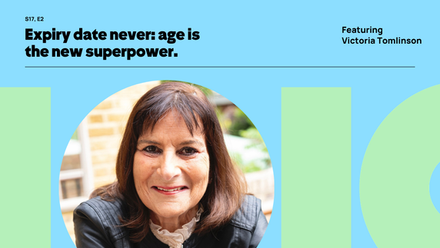
Rising numbers of people over the age of 45 are struggling to find work. Ageism, under-investment in recruitment and over-reliance on biased selection algorithms are creating a labour-market crisis. This has huge implications for organisations that urgently need human wisdom and experience to deliver much-needed oversight for sensible and ethical AI adoption.
Since the start of 2025, many organisations have reduced or cancelled DEI activities in deference to the rise of illiberalism across the globe. Already marginalised groups are increasingly nervous that a new wave of right-wing politicians is endorsing racism, sexism, homophobia and other prejudices. In this episode, Dom, Jen and Cat meet with Manchester Metropolitan University’s Head of Equity, Diversity and Inclusion, to explore why inclusion remains a mission-critical issue for organisational performance.
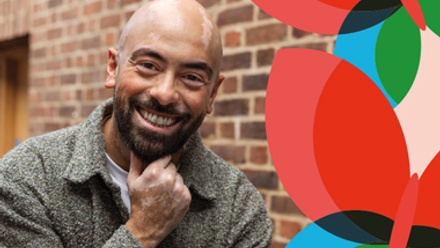
On his wedding day, Elj Abid, business development director at The Trade Desk, stopped hiding his vitiligo. This opened the door to a new sense of identity, and a mission to help others be seen at work.
In the first episode of series 14, Jen, Dom and Cat chat with Dr. Christopher Owen, a coach, consultant and speaker on the topic of inclusivity and liberation. In this conversation, they explore intersectional systemic oppression and how internal communication can use stories and storytelling to help marginalised groups achieve better representation at work.
This survey, run by IOIC in partnership with Ipsos Karian and Box, is the most detailed study yet of capability, confidence and development need across the profession. It explores ten roles internal communicators play, developed specifically for this research and connected to the IOIC future of internal communication whitepaper.
Your answers will directly shape how the profession invests in its own development.