We need to make it as easy – and normal – to talk about mental health
We need to make it as easy – and normal – to talk about mental health
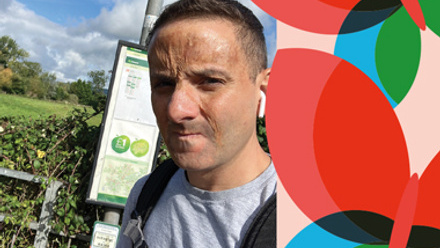
Internal comms pro Matt Batten reflects on his experience of managing his physical and mental health in the workplace – and the greater support that employers can offer.
If you follow me on Twitter (@CommsGuyMatt), you'll already know I talk a lot of b*llocks. I had testicular cancer about three years ago and I have been on a mission to remind men to check their testicles. Early prevention means up to 90 per cent recovery rates.
Twitter followers will also know of my love affair with IoIC. I have a lot to thank them – and IoIC members – for. They were hugely supportive when I had cancer and Twitter became a wonderfully encouraging and positive place to talk about cancer – and the impact it had on my mental health. When I heard that IoIC was making wellbeing the focus of its 70th anniversary celebrations, I was thrilled.
The campaign – #WeMatterAtWork – positions internal comms as the cornerstone of organisational performance and wellbeing by helping people feel connected, engaged and purposeful. But this campaign is more than words. IoIC chose mental health charity Mind as its annual charity – you can donate via the IoIC Just Giving page – and it has donated a share of Voice Live ticket sales to Movember Foundation. I couldn't feel prouder.
Workplace wellbeing is important, but it can easily be an initiative that an organisation pays lip service to. When I told my manager I had cancer, I was overwhelmed with the support I received. Let's face it, you'd have to be particularly mean-spirited not to care that a member of your team has cancer. But when the physical challenge impacted my mental health, that's when things became tough.
I've always been one of those love-them-or-loathe-them happy-go-lucky kinda guys. Then cancer came along and knocked me sideways. When I eventually spoke to my doctor, he was amazing and really understood what I was going through. And that was the start of my recovery.
I took time off and slowly returned to work. I was quieter, still coming to terms with everything and rebuilding my confidence. But I was in a team that was doggedly fixated with delivering and being the high-energy team we all read about in employee engagement books. It wasn't OK to talk. It just made some people awkward. It wasn't OK to take time to recover and rebuild my confidence at work because that meant I wasn't delivering. Inevitably, I was treated differently.
So all the mental health awareness campaigns we ran felt useless.
Which is why I am vocal about speaking out about mental health. Talking to a doctor and a counsellor helped my recovery – not an easy step to take, but one I'm grateful for taking. Men don't tend to speak about their mental health and we need to make it easy – and normal – to talk about mental health in the same way as we talk about physical health. We spend a lot of time at work and if we normalise the conversation then we could make a huge impact on people's mental health.
Yet it has to be more than a poster on the wall or a high publicity campaign during an awareness week. Managers need to make it part of their vision to demonstrate that people matter at work. Internal comms folk need to embrace #WeMatterAtWork and make it a core part of our mission to support managers to practise what they preach. We all know there's no secret to employee engagement. It's all about treating your people with respect. Life is tough for all of us. Don't make it harder.
So thank you IoIC for making #WeMatterAtWork a priority and for reminding us that internal comms plays an important role in wellbeing at work. And remember, there is no shame in struggling.
Cancer affects millions of people of working age – yet workplace support often falls short. What do employees really experience, and how can organisations respond better?
Tracey Hewett shares what burnout taught her, and how internal communicators can protect their wellbeing by managing their workload and prioritising recovery.
Burn survivor Jack Holt, account director for IT consultancy Recarta, shares how visible difference shaped his resilience, career and mission to support and educate others.
Anthony Monks, PR director and internal communications specialist at ITPR, shares ten practical tips to help internal communicators support leaders, spot silent strain and prevent cultural cracks from spreading.
‘Busyness’ is increasingly seen as a badge of honour and productivity is regularly measured and rewarded at work. Despite all we now know about workplace stress, anxiety and burnout, we seem to be doing little to address the destructive pace at which we are living our lives. In this episode, Jen, Dom and Cat chat with Megan Reitz and John Higgins about their latest research, on the topic of spaciousness and how to find it.
As global stability deteriorates, anxiety is on the rise. Internal communicators must assimilate the wants, needs and expectations of increasingly diverse internal stakeholders. Only then can organisations harness the full potential of colleagues across the age spectrum, who are pushing back on top-down, centralised, and increasingly outdated, command and control management archetypes.
In this mercurial new landscape, internal communication is a meta-skill that increasingly underpins organisational success. Our quarterly people updates help internal communication professionals stay informed and think more expansively about ways they can deliver strategic value.
This survey, run by IOIC in partnership with Ipsos Karian and Box, is the most detailed study yet of capability, confidence and development need across the profession. It explores ten roles internal communicators play, developed specifically for this research and connected to the IOIC future of internal communication whitepaper.
Your answers will directly shape how the profession invests in its own development.