In 1999, as the business world woke up to the full potential of the commercial Internet, a Canadian techno-anthropologist coined the term wirearchy to describe the way the architecture of knowledge, power and authority would shift in the digital age. Mainstream AI adoption will create further shifts, with profound implications for organisations.
A circular model of communications can better capture employee responses, helping internal communication resonate with its audiences, says Zenia Duell founder of the Strat Comms Surgery.
This month: who carries the culture as rising wage costs push work out of the building; why AI agents with names or job titles lead to 18% fewer mistakes getting picked up; the thirst behind your AI and the hosepipe bans it’s exempt from; where will 2035’s leaders come from; and why stressed colleagues share with their chatbot before their boss. Spot where the bills are landing before the board does.
The latest Viva Engage benchmarking shows that employees are still paying attention, asking questions and looking for expertise, but they’re participating differently. Cai Kjaer, CEO and Co-Founder at SWOOP Analytics, and Amanda Harvey, Chief Growth Officer at Silicon Reef, explore what the data tells us and what organisations can change within Microsoft 365 in response.
Throughout a varied comms career, Lynsae Tulloch has seen first-hand the continued value in asking “Why?” Here, she takes us through some of the key moments in a career focused on delivering storytelling with purpose.
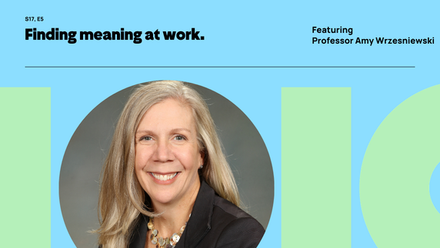
AI can save time, but it can also change the parts of a job people find most rewarding. Independent AI researcher Andreas Ehstand explores five questions internal communicators can ask to help preserve meaningful work when introducing AI.
For several decades across the Global North, a mental health crisis has been escalating. While its causes are deep-rooted, systemic and complex, today, stress, anxiety and burnout risk are manifest. This has huge implications for organisations that rely on engaged and motivated colleagues for collective problem-solving, adaptation and innovation.
No one can navigate every IC challenge alone – we need to pass on our career lessons. Pauline Smith explains why mentoring and listening benefits both mentors and mentees.
Ranjani Waldron from the Royal Society of Chemistry explains how understanding cultures and personalising content puts audiences first and turns messages into action.